
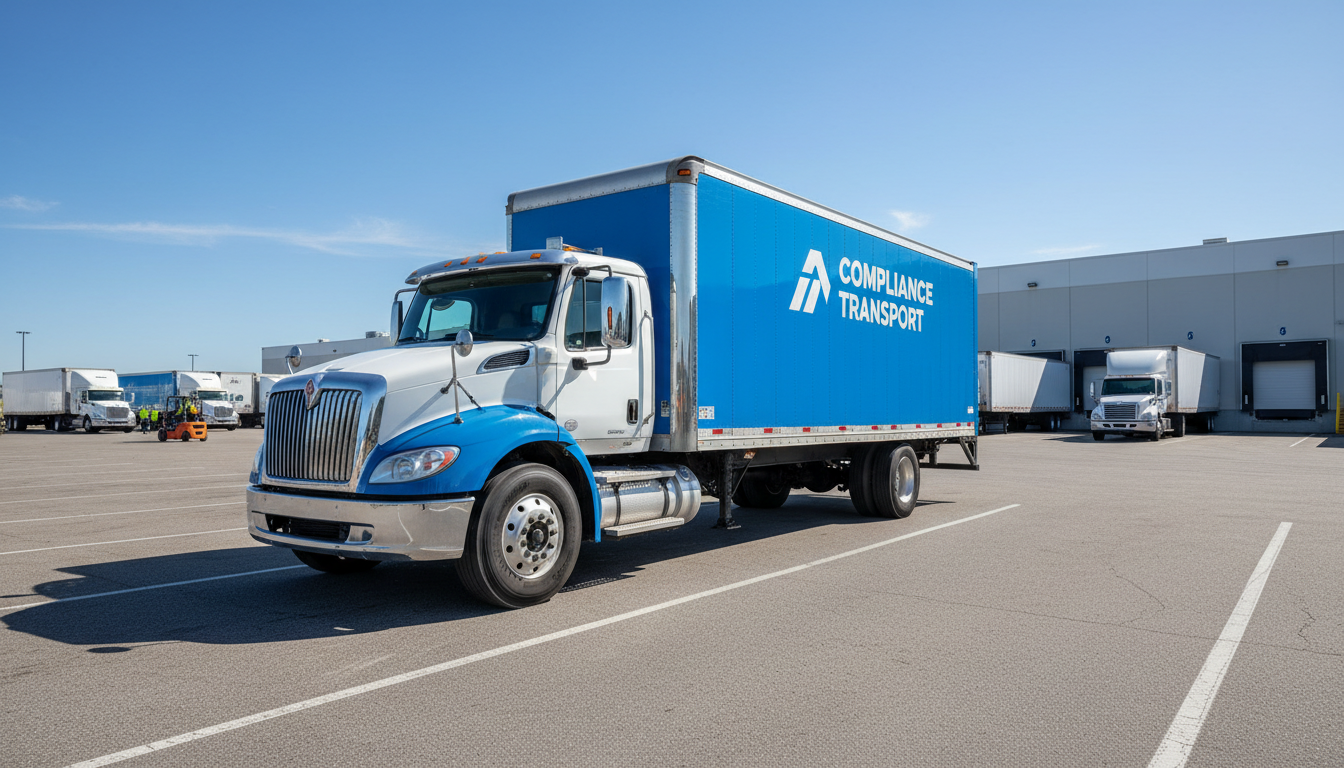
You generally do not need a CDL to drive a box truck if the vehicle weighs 26,000 pounds or less and is not hauling hazardous materials. A commercial license is only mandatory for trucks exceeding 26,001 pounds or those carrying 16 or more passengers. Checking the Gross Vehicle Weight Rating is the most important step when asking, do you need a cdl to drive a box truck.
Navigating the regulatory landscape of box truck operations often starts with a single, high stakes question regarding driver certification. For many business owners, the assumption that a smaller vehicle equates to fewer compliance hurdles is a costly mistake that leads to failed roadside inspections and significant civil penalties. Determining whether your equipment requires a CDL is not merely about the physical length of the truck; it is about understanding the specific Gross Vehicle Weight Rating thresholds set by the Department of Transportation. In this guide, we will clarify the complexities of the 26,001 pound limit, debunk common misconceptions regarding air brake systems, and outline the essential compliance requirements for vehicles over 10,000 pounds. By the end of this article, you will have a clear roadmap for keeping your fleet legal, safe, and fully operational.
The Short Answer: Do You Need a CDL to Drive a Box Truck?
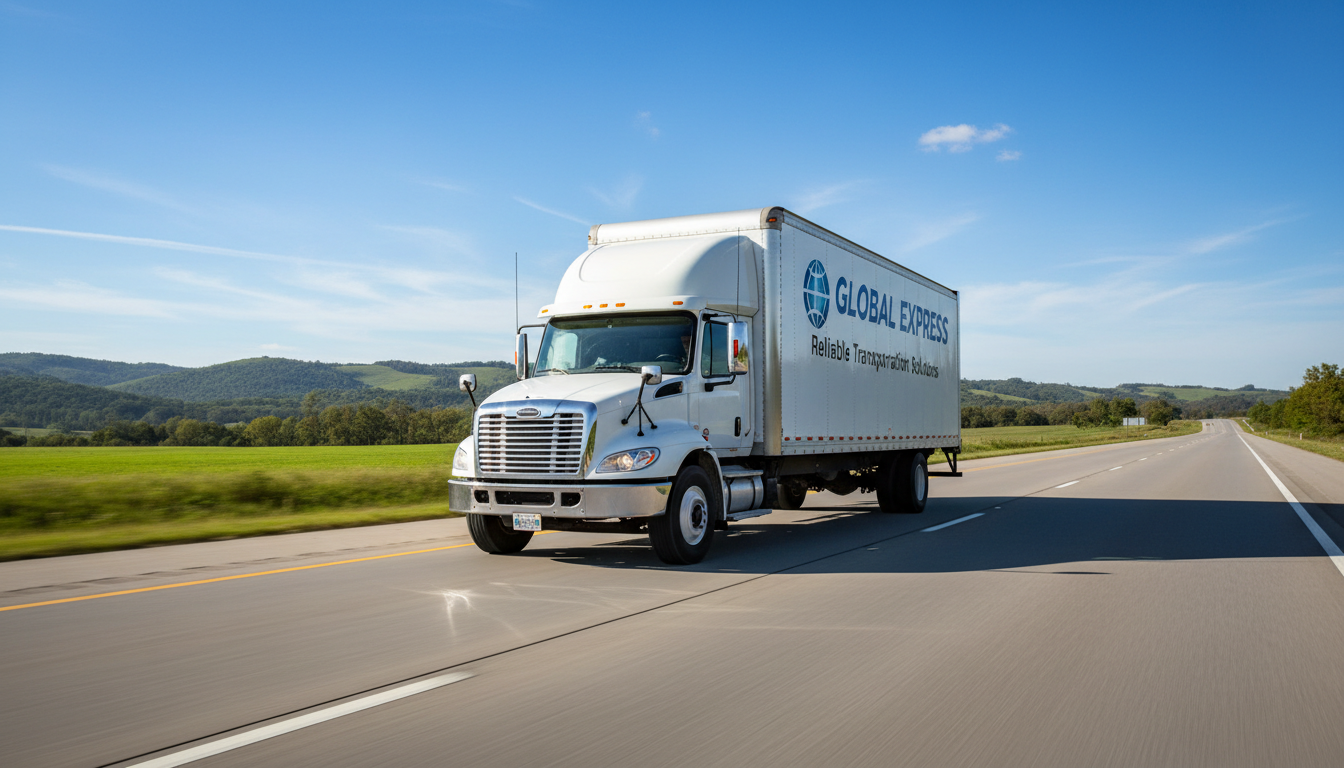
Determining if you need a CDL to drive a box truck depends on one specific number: the Gross Vehicle Weight Rating (GVWR). Federal regulations require a Commercial Driver’s License only if the vehicle’s GVWR is 26,001 pounds or more. Because many manufacturers design medium-duty box trucks with a rating of 25,999 pounds specifically to stay below this threshold, the majority of standard box trucks do not require a CDL.
There is a critical distinction between personal and commercial use. Renting a box truck to move your household furniture is a private activity that typically does not require a special license. However, once you use that same vehicle for business purposes, such as hauling freight for hire, you enter the realm of professional trucking compliance.
Drivers must understand that a non-CDL truck is not a non-regulated truck. If your vehicle has a GVWR over 10,000 pounds and you operate in interstate commerce, you still face significant federal oversight. Even without a CDL requirement, commercial operations must often obtain a DOT number for my box truck and maintain a Driver Qualification File checklist. Failing to distinguish between driver licensing and business compliance is a common error that leads to costly roadside penalties.
Understanding GVWR vs. Actual Vehicle Weight
Gross Vehicle Weight Rating (GVWR) is a frequent point of confusion, but it is the most critical metric for determining your licensing needs. Unlike the actual weight you see on a scale at a weigh station, the GVWR is a fixed limit established by the manufacturer. It represents the maximum allowable total weight of the vehicle when fully loaded, including the chassis, body, engine fluids, fuel, accessories, passengers, and cargo.
Law enforcement and DOT inspectors look at the VIN plate or the certification label located on the driver side door pillar to determine compliance. For licensing purposes, the weight of the truck at any given moment is irrelevant. If a vehicle has a GVWR of 26,001 pounds or more, the operator must hold a CDL. This rule applies even if the truck is completely empty and weighs significantly less than the threshold. Relying on actual scale weight to justify driving without a CDL is a mistake that leads to immediate out of service orders and significant professional trucking compliance issues for your business.
Does a 26 Foot Box Truck Require a CDL?
A common question for new owner-operators is: does a 26-foot box truck require a CDL? The answer depends on the manufacturer's engineering rather than the physical length of the cargo box. In the medium-duty market, most 26-foot trucks are specifically designed with a GVWR of 25,999 pounds. This intentional rating allows drivers to operate the vehicle without a Class B license, making it a popular choice for furniture delivery and final-mile logistics.
However, you cannot assume every 26-foot vehicle is exempt. Some heavy-duty chassis used for 26-foot bodies are rated at 33,000 pounds or more to accommodate heavier payloads like refrigerated units or heavy lift gates. To ensure you stay within the bounds of professional trucking compliance, always verify the GVWR on the VIN plate or certification label inside the driver side door. If that sticker reads 26,001 pounds or higher, the answer to the question "do you need a cdl to drive a box truck" becomes a definitive yes, regardless of how much cargo you are actually carrying at the time.
The Air Brake Myth: Do They Automatically Require a CDL?
One of the most persistent misconceptions in the industry is that air brakes automatically trigger a CDL requirement. Many operators believe that the moment a vehicle is equipped with an air brake system instead of hydraulic brakes, it necessitates a Class B license. This is simply not true under federal law. If a box truck has a GVWR of 26,000 pounds or less, the presence of air brakes does not change the answer to the question: do you need a cdl to drive a box truck? You can legally operate a medium-duty vehicle with air brakes on a standard driver's license, provided it stays under the weight threshold.
The confusion often stems from how the CDL testing process handles air brakes. If a driver is required to have a CDL because of the vehicle's weight, they must pass a specific air brake knowledge and skills test. If they take their skills test in a vehicle with hydraulic brakes, their license will be issued with an "L" restriction. This restriction prevents them from operating a CDL-class vehicle equipped with air brakes. However, this restriction is irrelevant for non-CDL vehicles. For owner-operators managing professional trucking compliance, understanding this distinction prevents unnecessary hiring hurdles and clarifies what equipment your team can legally operate without specialized licensing.
Why Non-CDL Does Not Mean Non-Compliant: The 10,001 Pound Rule

While the air brake distinction clarifies driver licensing, many owner-operators fall into a dangerous regulatory trap by focusing solely on the 26,001 pound threshold. The most important number for professional trucking compliance is actually 10,001 pounds. According to the Federal Motor Carrier Safety Regulations (FMCSRs), any vehicle used in interstate commerce with a GVWR of 10,001 pounds or more is legally defined as a Commercial Motor Vehicle (CMV).
This creates a significant compliance gap. A driver might correctly answer no to the question, do you need a cdl to drive a box truck, but still be fully subject to DOT oversight. If your box truck falls between 10,001 and 26,000 pounds, you are operating in a zone where you do not need a Class A or B license, yet you must adhere to strict federal safety standards. This rule applies regardless of whether the truck is a rental or a permanently owned asset, provided it is being used for business purposes.
Failure to recognize this status often leads to immediate fines during roadside inspections. At this weight class, you are required to obtain a DOT number for my box truck and the driver must carry a valid Medical Examiner’s Certificate, commonly known as a med card. Furthermore, you are required to follow Hours-of-Service (HOS) regulations, maintain a Driver Qualification File checklist, and display your company name and USDOT number on the vehicle. Operating without these credentials simply because you do not need a CDL is a misunderstanding that the FMCSA does not overlook.
Essential Compliance Requirements for Box Truck Owners
Operating in the 10,001 to 26,000 pound range means you occupy a specialized regulatory space. Even if the technical answer to the question, do you need a cdl to drive a box truck, is no, your back-office requirements are nearly identical to those of heavy-duty tractor-trailers. Maintaining professional trucking compliance requires a structured approach to record-keeping that begins long before the wheels turn.
To remain legal while operating in interstate commerce, every box truck owner in this weight class must maintain the following:
USDOT Number: You must register for a DOT number for my box truck to identify your company during inspections and track your safety record.
Medical Examiner’s Certificate: Drivers must pass a DOT physical and carry a valid Med Card at all times; this proves they are physically fit to operate a CMV.
Driver Qualification Files (DQF): You are required to maintain a comprehensive Driver Qualification File checklist for every driver, including road test certificates and annual motor vehicle records (MVRs).
Unified Carrier Registration (UCR): This annual filing is mandatory for all interstate carriers, including those using non-CDL box trucks.
Overlooking these administrative pillars often results in fines that far exceed the cost of proactive management. By treating your non-CDL operation with the same rigor as a Class A fleet, you protect your business from the volatility of roadside enforcement.
What Can You Legally Haul Without a CDL?
Navigating the administrative requirements for a medium-duty fleet is only half the battle; the nature of your cargo can also change the legal requirements of the driver. While weight is the primary factor, certain cargo types trigger an automatic requirement for a Commercial Driver’s License. If you are transporting hazardous materials in quantities that require the vehicle to be placarded under federal law, the answer to the question "do you need a cdl to drive a box truck" becomes a definitive yes, regardless of the vehicle's GVWR. This typically requires a Class C CDL with a hazardous materials endorsement.
Additionally, any vehicle designed or used to transport 16 or more passengers, including the driver, necessitates a CDL. For most box truck operators, the limits of non-CDL hauling include standard freight, dry goods, and household moves. However, once your business moves into specialized niche markets involving chemical transport or large-scale passenger transport, standard licensing is no longer sufficient. Maintaining professional trucking compliance means recognizing these cargo-specific triggers before accepting a load that could lead to a major violation.
Penalties for Driving a Box Truck Without the Right Credentials
Operating outside of federal guidelines carries consequences that extend far beyond a simple traffic ticket. If a roadside inspector determines that your GVWR requires a Class B license and you only hold a standard one, the driver and vehicle will likely be placed out of service immediately. This means your freight sits until a qualified driver arrives; leading to missed delivery windows and broken contracts.
The financial impact is equally severe. Fines for operating without a necessary DOT number for my box truck or failing to maintain a Driver Qualification File checklist can range from hundreds to several thousand dollars per violation. Furthermore, these infractions are recorded against your company’s safety record. High CSA scores resulting from improper credentials or missing medical cards make your business a target for future audits and can significantly increase your insurance premiums. Maintaining professional trucking compliance is the only way to protect your bottom line from the high cost of administrative oversight. Even if the answer to do you need a cdl to drive a box truck is no for your specific vehicle, being non-CDL never excuses a lack of required DOT documentation.