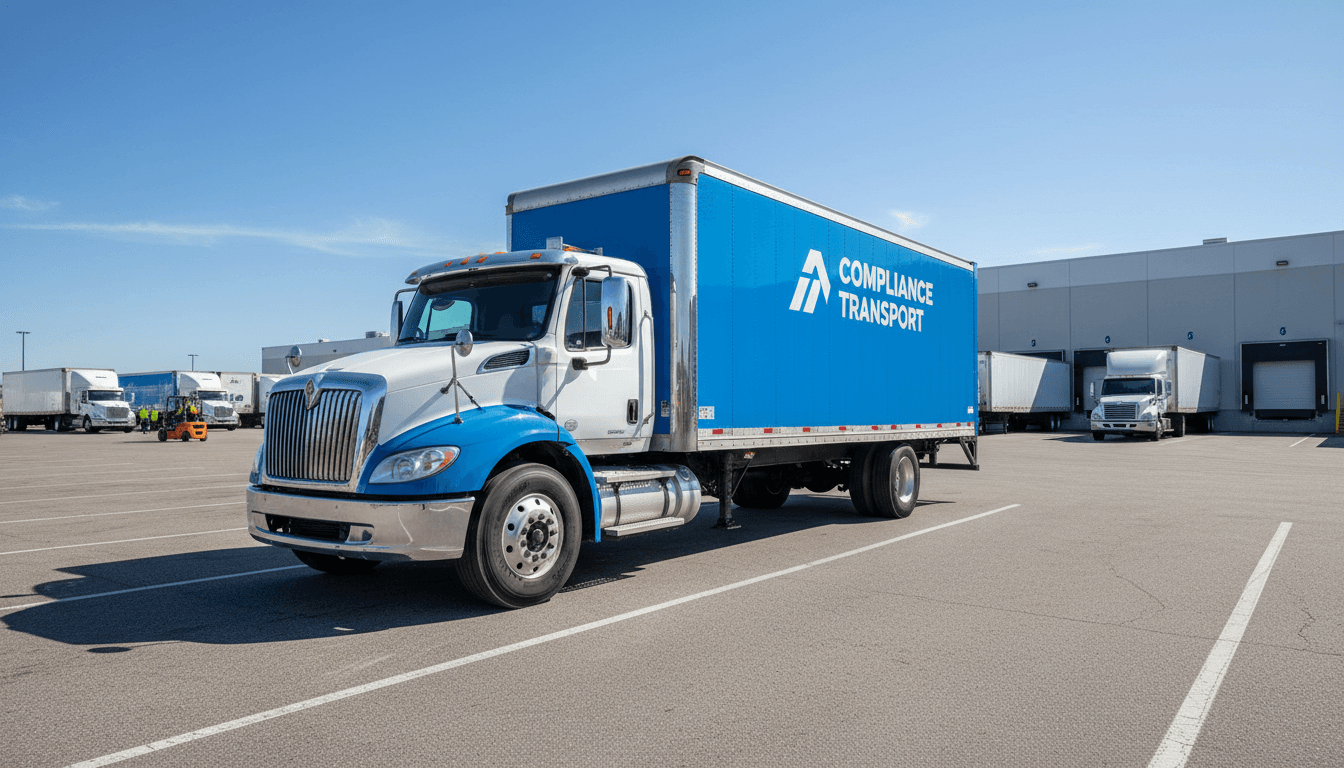
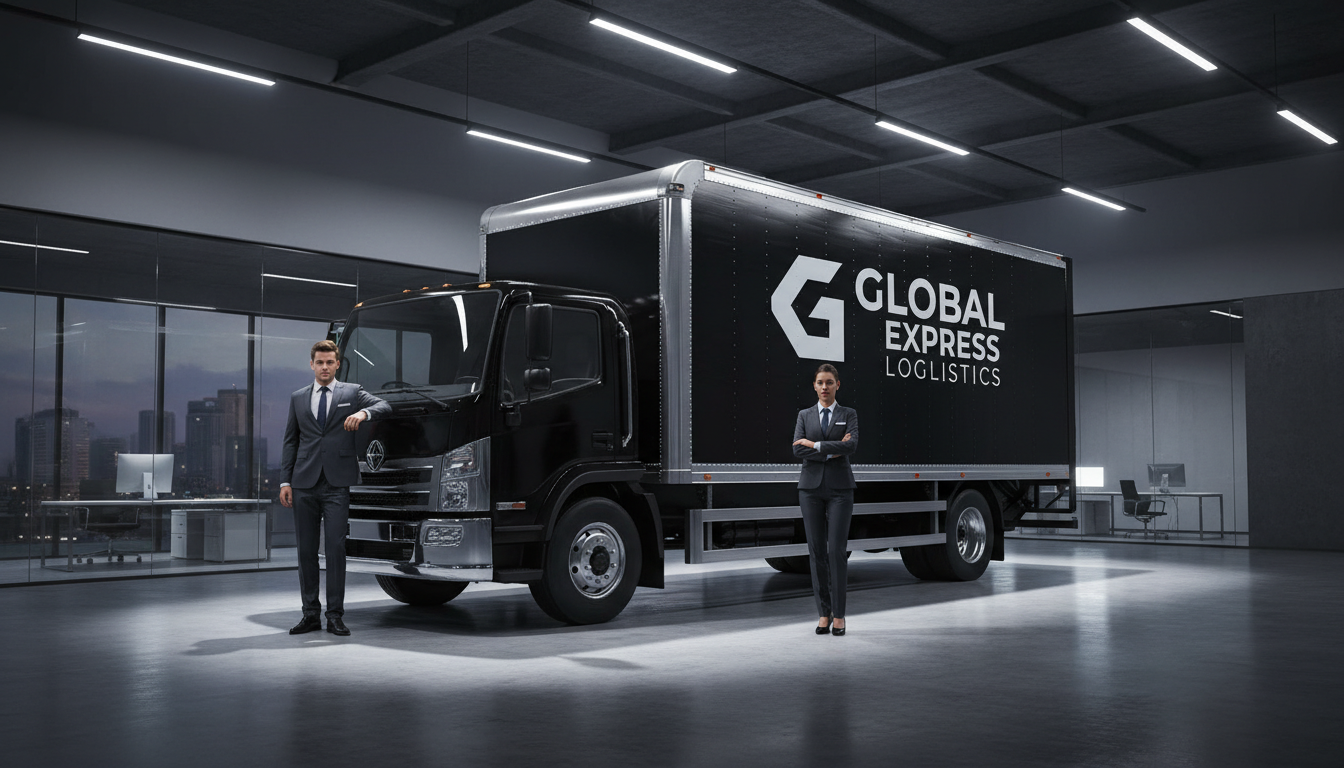
Yes, you generally need a DOT number for your box truck if it is used for commercial purposes and has a gross vehicle weight rating of over 10,000 pounds. Registration is also mandatory if you transport hazardous materials or operate across state lines; therefore, confirming do i need a dot number for my box truck is a critical step for ensuring federal legal compliance.
Operating a box truck often feels like a balancing act between logistics and a shifting landscape of federal mandates. The moment you put a commercial vehicle on the road, you face the critical question of whether you need a USDOT number. This is not just a matter of paperwork; it is a legal requirement that determines if your business can legally cross state lines or move freight without facing massive fines. If you misinterpret the 10,001 pound weight threshold or ignore the nuances of interstate versus intrastate commerce, you risk losing your operating authority before your first delivery. In this guide, we will break down the precise weight requirements, the upcoming 2026 MOTUS updates, and the specific display rules for your fleet. You will learn exactly how to determine your status, avoid common exemptions, and ensure your 26 foot truck meets every federal and state standard.
The Short Answer: Weight, Cargo, and Crossing State Lines
Determining the answer to "do i need a dot number for my box truck" involves looking at three primary factors: weight, cargo type, and your route. For the vast majority of commercial box truck operators, the answer is a definitive yes. The Federal Motor Carrier Safety Administration (FMCSA) mandates a USDOT number for any vehicle used in interstate commerce that has a Gross Vehicle Weight Rating (GVWR) of 10,001 lbs or more.
It is vital to understand that the FMCSA regulates based on the vehicle’s rating, not its actual weight on a scale. Even if your truck is empty, if the manufacturer’s sticker identifies the GVWR as 10,001 lbs or higher, you fall under federal jurisdiction. This requirement also applies if you transport hazardous materials requiring placards or if you are a for-hire carrier hauling third-party freight.
Entering 2026, the regulatory landscape is shifting toward the new MOTUS registration system. While the filing process is becoming more digital, the underlying safety requirements remain rigid. Avoiding common DOT compliance mistakes starts with recognizing that your number must be active before you haul your first load. For those currently in the new authority setup phase, this identification number serves as the primary tracking mechanism for your company’s safety record and compliance history.
Understanding the 10,001 Lbs Threshold and GVWR
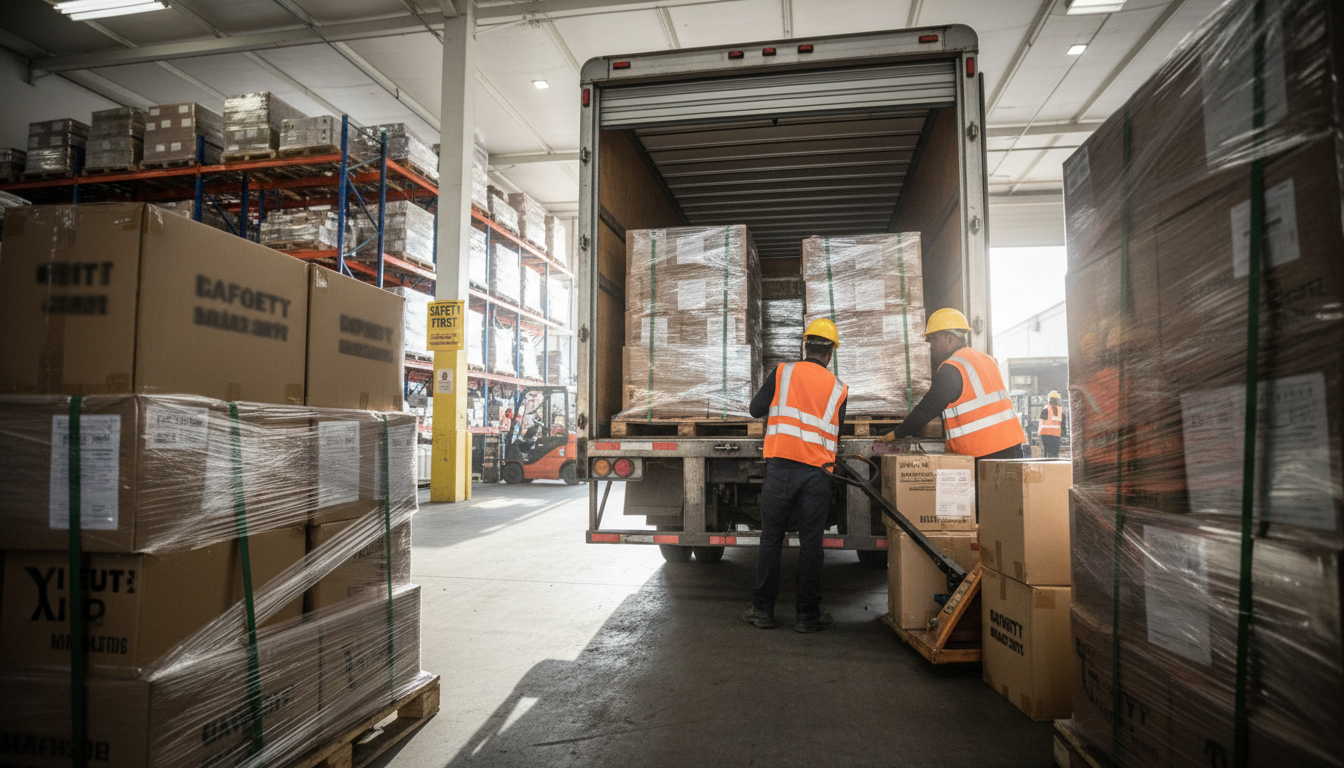
The transition from the manufacturer's rating to a legal requirement depends entirely on two specific numbers: the Gross Vehicle Weight Rating (GVWR) and the Gross Combined Weight Rating (GCWR). GVWR represents the maximum weight a single vehicle is engineered to carry, including the chassis, body, fuel, passengers, and cargo. GCWR applies if you are pulling a trailer, as it combines the weight ratings of both the power unit and the towed unit. If either of these ratings meets or exceeds 10,001 lbs while crossing state lines, the FMCSA requires registration.
To find your specific rating, locate the silver or white Safety Compliance Certification Label on the driver’s side door jamb or inner door panel. This manufacturer’s sticker is the final authority for roadside inspectors. If you are operating a popular heavy-duty model like an F350 box truck, your rating will likely exceed the federal limit. For example, an F350 box truck rated at 11,500 lbs automatically triggers the need for a DOT number for interstate commerce. Even if the truck is completely empty, the law views that 11,500 lb rating as the standard for compliance.
Commercial use is often broader than many new operators realize. You do not have to be a for-hire carrier hauling someone else's freight to need a number. If you are asking yourself, "do i need a dot number for my box truck," remember that any activity performed in furtherance of a commercial enterprise qualifies. This includes local contractors moving equipment, wholesalers delivering their own products, or independent drivers during their new authority setup phase. If the vehicle is used to advance a business, and the GVWR is over 10,001 lbs, the requirement applies. Ensuring your driver qualification file management is up to date alongside these weight assessments is the next logical step in staying compliant.
Interstate vs. Intrastate: Does Your Route Matter?
While weight determines federal jurisdiction, your route determines which specific registrations you must carry. Interstate commerce is defined by the FMCSA as transporting goods across state lines, but it also includes hauling cargo that is part of a continuous journey originating or ending in another state. If you pick up a shipment at a port or railhead intended for another state, you are operating in interstate commerce regardless of your physical location.
Staying within a single state does not automatically exempt you. Currently, 31 states require a USDOT number even for purely intrastate operations. These states include:
Alabama, Alaska, Arizona, California, Colorado, Connecticut, Florida, Georgia, Hawaii, Idaho, Indiana, Iowa, Kansas, Kentucky, Maine, Maryland, Michigan, Minnesota, Missouri, Montana, Nebraska, Nevada, New Jersey, New York, Ohio, Oklahoma, Oregon, Pennsylvania, South Carolina, Texas, Utah, Washington, West Virginia, Wisconsin, and Wyoming.
For operators investigating box truck dot number requirements 2026 texas, the state requires a USDOT number for intrastate commercial vehicles with a GVWR of 26,001 lbs or more, or those transporting hazardous materials. Even if a state does not require a federal number for local hauls, you may still face state-specific registrations like a TXDMV number in Texas or a CA number in California. Navigating these geographic requirements is a primary step in a new authority setup. Regardless of where you drive, maintaining driver qualification file management is a universal requirement for all vehicles meeting these weight thresholds.
The 2026 MOTUS Update: What New Box Truck Owners Must Know
Navigating geographic requirements requires interacting with federal registration infrastructure, which is currently undergoing its most significant overhaul in decades. The FMCSA is transitioning to the Multi-Modal Oversight and Transparency Unified System, known as MOTUS, in 2026. This new platform replaces several legacy systems, including the Unified Registration System (URS). It consolidates the application process for USDOT numbers and operating authority into a single, digital-first portal.
New box truck owners must adapt to a strictly electronic environment. The FMCSA officially stopped accepting paper payments as of September 30, 2025; therefore, all filing fees and registration updates must now be handled through authorized digital channels. If your weight and route determine that the answer to "do i need a dot number for my box truck" is yes, completing your new authority setup through the correct MOTUS portal is critical to avoid processing delays. While the technology is more efficient, the fundamental rule remains: you must secure your active USDOT number before you begin operations. Avoiding common DOT compliance mistakes means understanding that a submitted application is not the same as an active status in the eyes of a roadside inspector.
Exemptions: When You Do Not Need a DOT Number
While the MOTUS system streamlines registration for commercial ventures, specific exemptions exist for private individuals and some agricultural operations. The primary exemption applies to strictly personal use. If you are questioning do i need a dot number for my box truck while moving your own furniture across state lines in a rental, the answer is generally no, provided the move is non-commercial. This applies to owned or rented vehicles used solely for personal, non-business purposes regardless of the weight rating.
Farmers also benefit from limited exemptions. Under the MAP-21 Act, farmers or their employees may transport agricultural products, machinery, or supplies without a USDOT number, provided they remain within a 150 air-mile radius of their farm. However, exceeding this distance or transporting hazardous materials requiring placards nullifies the exemption.
A frequent misconception involves the "not-for-hire" designation. Being a private carrier does not grant an exemption if the truck supports a commercial enterprise. If a business uses a box truck to deliver its own products or transport its own tools, it is still operating in the furtherance of a business. Avoiding common DOT compliance mistakes means recognizing that business use, not just for-hire status, triggers the need for a new authority setup and proper driver qualification file management.
The Difference Between a USDOT Number and an MC Number
While understanding exemptions helps narrow your focus, many operators still struggle with the distinction between a USDOT number and an MC number. A USDOT number serves as a unique identifier for monitoring your company’s safety performance and inspection history. If your vehicle meets the weight or route criteria previously discussed, the answer to do i need a dot number for my box truck is yes. In contrast, an MC number, or Operating Authority, is an economic requirement specifically for carriers getting paid to transport someone else’s property or passengers.
When completing your new authority setup, identifying your carrier type is essential for avoiding common DOT compliance mistakes. Most independent box truck owners acting as for-hire carriers will require both.
Requirement | USDOT Number | MC Number (Operating Authority) |
|---|---|---|
Primary Purpose | Safety monitoring and identification | Legal permission to haul freight for-hire |
Weight Trigger | 10,001+ lbs (Interstate) | Required for for-hire interstate hauls |
Private Carrier | Required for business use | Not required |
For-Hire Carrier | Required | Required |
Operating as a private carrier, such as a contractor hauling their own tools, usually only necessitates the USDOT number. However, the moment you accept payment to move a customer's cargo, the MC number becomes mandatory. Regardless of which credentials you hold, maintaining rigorous driver qualification file management remains a non-negotiable part of your safety profile.
Box Truck DOT Number Display Requirements
Once you have successfully completed your new authority setup, obtaining the number is only half the battle. Federal regulation 49 CFR § 390.21 dictates exactly how that number must appear on your vehicle. To remain compliant and succeed in avoiding common DOT compliance mistakes, you must apply the USDOT number to both sides of the box truck's power unit.
The markings must be in a color that sharply contrasts with the background of the truck. They must also be large enough to be legible from a distance of 50 feet during daylight hours while the vehicle is stationary. Alongside the number, you must display the legal name or the "doing business as" (DBA) name exactly as it appears on your FMCSA registration. This consistency is vital for roadside inspections. If you are still asking "do i need a dot number for my box truck," remember that once you have one, failing to display it correctly is an immediate red flag for enforcement officers. Proper display ensures that your driver qualification file management and safety records are correctly attributed to your business during every stop.
Additional Compliance Steps for 26ft Box Trucks
While display requirements ensure you are visible to inspectors, the physical size of your vehicle dictates specific licensing and documentation. A frequent question among new operators is what license do I need for a 26ft box truck. The legal requirement for a Commercial Driver’s License (CDL) only triggers if the vehicle’s GVWR is 26,01 lbs or more. To accommodate a broader pool of drivers, many 26ft box trucks are strategically manufactured with a GVWR of exactly 26,000 lbs. This allows the truck to be operated with a standard driver's license in most jurisdictions.
A common misconception is that a non-CDL truck exempts the business from federal safety rules. If you are still asking do i need a dot number for my box truck, remember that the 10,001 lb threshold for a USDOT number is much lower than the 26,001 lb threshold for a CDL. Even without a CDL requirement, you must complete a new authority setup and maintain rigorous driver qualification file management. This involves keeping updated medical certificates, motor vehicle records, and employment applications for every driver. Avoiding common DOT compliance mistakes means recognizing that weight ratings affect driver licensing and safety documentation as separate regulatory categories.